Our Portfolio

Impactys has a track record of delivering research design and biomedical communications solutions to a wide array of academic and corporate R&D clientele. The sample set of anonymized case studies provided below illustrates our broad range of pre-clinical and clinical capabilities:

  • Case Study 1 · Targeted Delivery and Safety of a Nanoparticle Therapy for Cardiovascular Disease
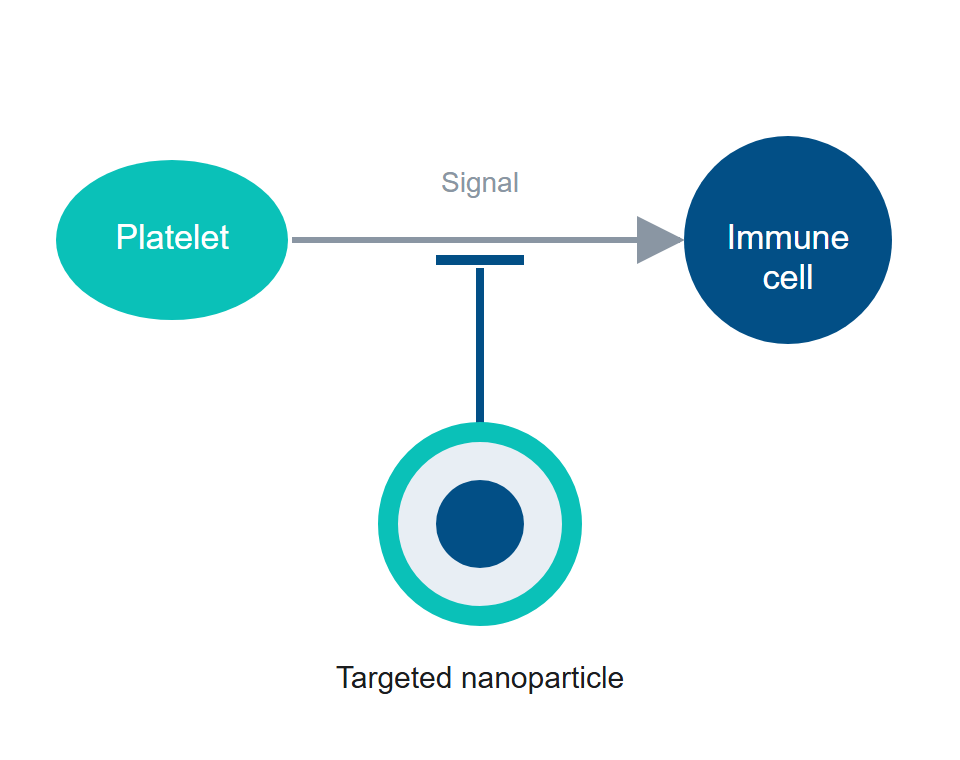
    Schematic of a targeted nanoparticle with a membrane layer blocking a signal between two cell types.

    Schematic: a targeted nanoparticle blocking a signal

    The question. Can a targeted nanoparticle deliver the benefit of blocking platelet signaling without the bleeding risk that limits current drugs?

    The study. Impactys consulted on the study design and its bioinformatic, formulation, cell-based, animal and clinical-specimen experiments. A ligand-receptor analysis of blood cells from patients and healthy controls identified a signaling pair to target. A nanoparticle with a biological membrane layer and a targeting element was engineered and characterized, then tested for effect and for bleeding in a mouse model, with cell experiments on how it acts.

    What we found. Plaques were smaller, with less tissue death and less immune-cell build-up than with control particles or vehicle, and no bleeding problems were seen. In the cells, the particle dampened an inflammatory polarization and restored the clearance of dying cells.

    Why it matters. It points to a route to the benefits of platelet-targeted therapy with a lower bleeding risk.

  • Case Study 2 · Insulin Signaling in a Common Ovarian Endocrine Disorder
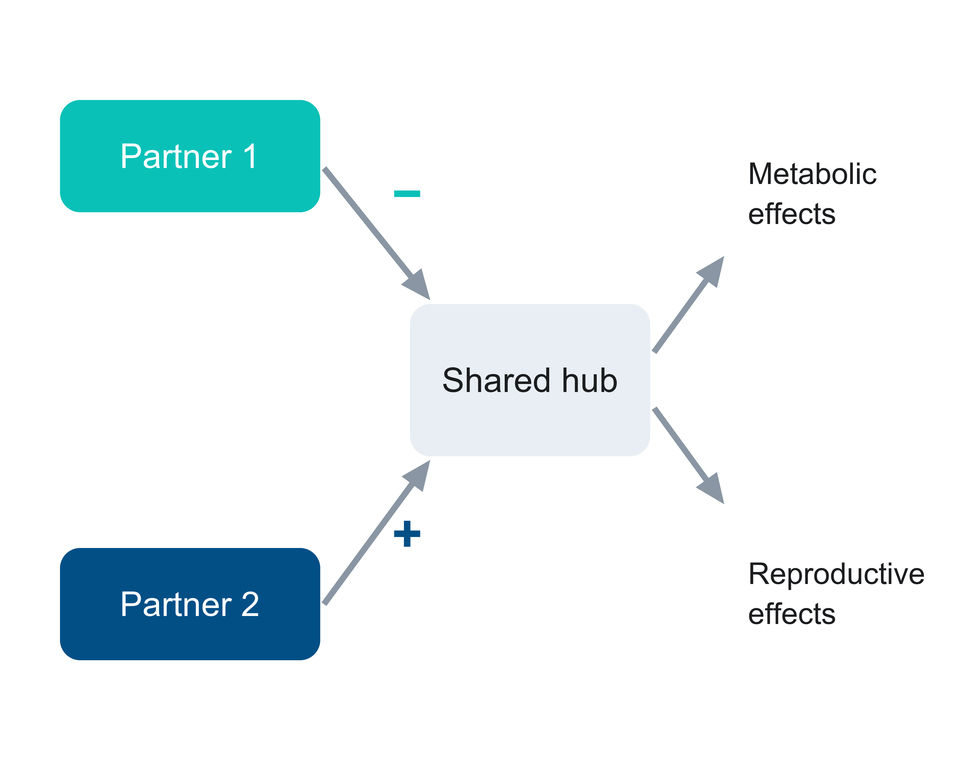
    Schematic of two proteins acting in opposite directions on one shared signaling hub.

    Schematic: two partners acting on one signaling hub

    The question. Which signaling proteins explain insulin resistance in a common reproductive endocrine disorder, and can they be targeted separately from the ovarian symptoms?

    The study. Impactys consulted on the study design and its bioinformatic, cell-model and animal experiments. The study had three stages: a computational analysis of gene-expression data from several patient groups (healthy, affected without insulin resistance, affected with insulin resistance); experiments in human ovarian cell models; and a mouse model of the disorder.

    What we found. Two partner proteins act in opposite directions on one shared signaling hub: one dampens insulin-blocking and inflammatory signals, the other strengthens them. In mice, raising the first improved both insulin sensitivity and ovarian function; suppressing the second improved ovarian function only; an engineered version of the hub protein improved both.

    Why it matters. It points to distinct interaction points that could be targeted to separate the metabolic effects from the reproductive ones.

  • Case Study 3 · Finding the Master Regulator of an Inflammatory Response
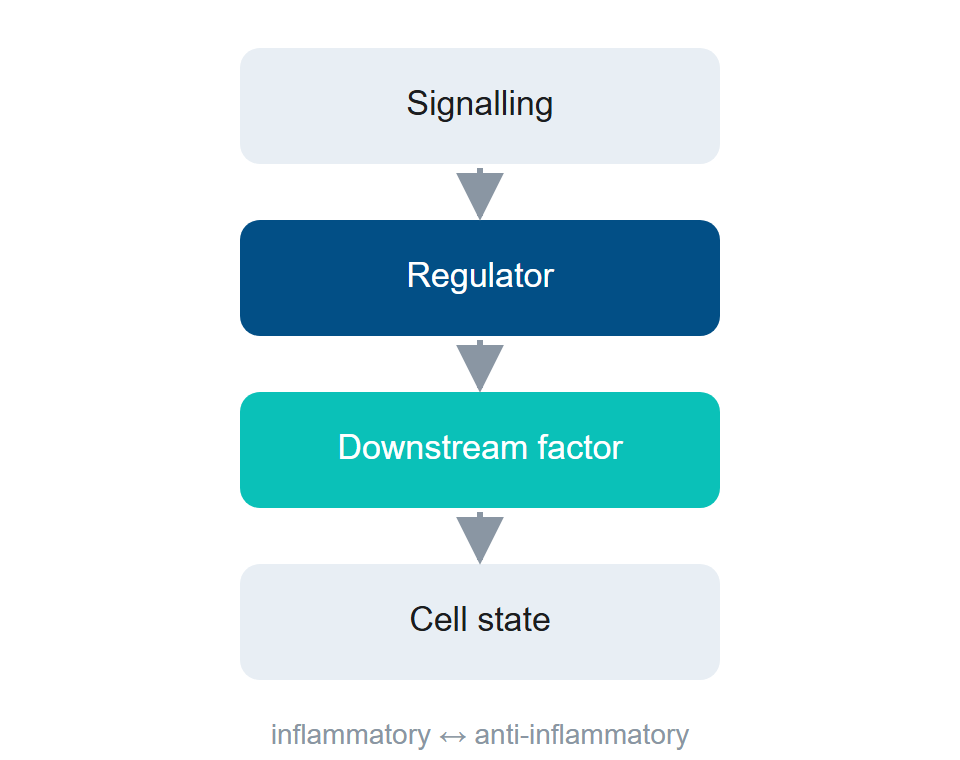
    Schematic flow from signaling through a regulator and a downstream factor to a cell state.

    Schematic: from signaling to cell state

    The question. Which regulator sits at the top of the inflammatory response of macrophages in vessel-wall disease?

    The study. Impactys consulted on the study design and its bioinformatic and animal experiments. A computational regulator-inference analysis of macrophage signaling genes was combined with co-expression data from several hundred patient-derived vessel samples to rank candidate regulators. The top candidate was then tested in genetically modified mouse models.

    What we found. One transcription regulator pushed macrophages toward an inflammatory state and increased plaque burden. Removing it from these cells shifted them toward an anti-inflammatory state and reduced disease. A downstream factor explained much of the effect.

    Why it matters. It identifies a regulator-level target upstream of individual inflammatory genes.

  • Case Study 4 · Reversing Resistance to a Standard Targeted Drug in Liver Cancer
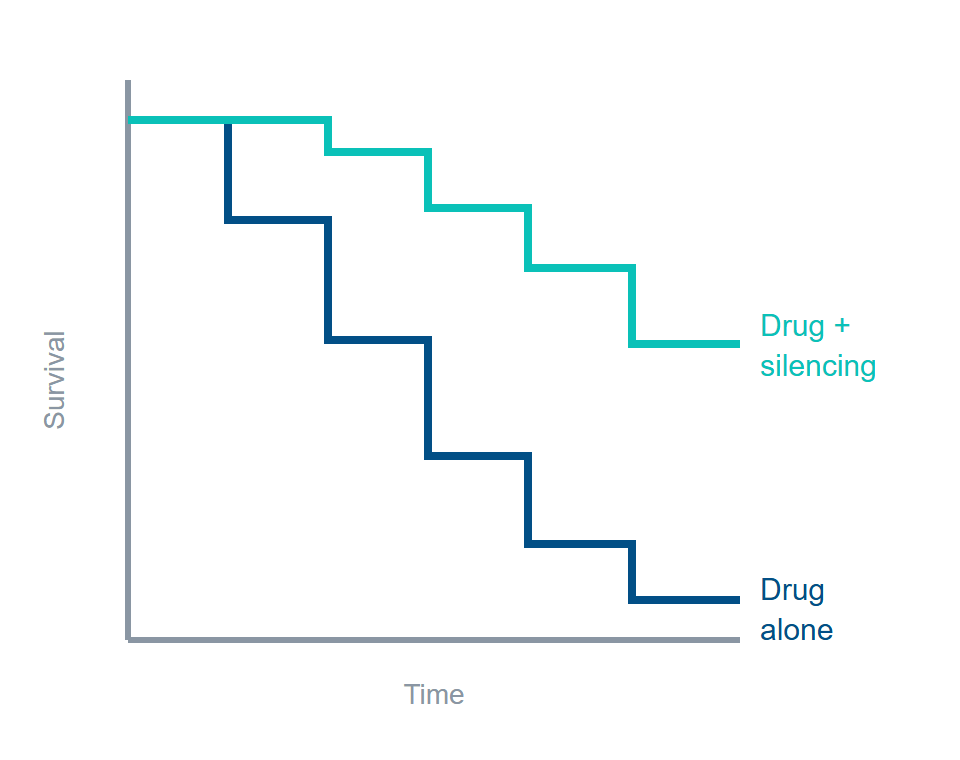
    Schematic of two survival curves, drug alone and drug with silencing of a resistance gene.

    Schematic: survival with and without silencing

    The question. Why do liver tumors resist a standard targeted drug, and can the resistance be reversed?

    The study. Impactys consulted on the study design and its cell-based and animal experiments and patient-data analysis. An earlier gene-silencing screen was followed up with focused experiments: silencing a candidate mitochondrial gene in tumor cells, mouse tumor models treated with the drug, colony-formation assays in mouse and human cell lines, pathway analysis, and a look at how a related marker tracks with patient survival.

    What we found. Silencing the gene made tumors more sensitive to the drug, reduced tumor burden and extended survival in mice. The effect was linked to stronger mitochondrial quality-control signaling and loss of an anti-apoptotic protein, whose higher level predicted poorer survival in treated patients.

    Why it matters. It supports combination strategies that target a resistance mechanism alongside the drug.

  • Case Study 5 · A Metabolic Weakness in a Hard-to-Drug Lung Cancer
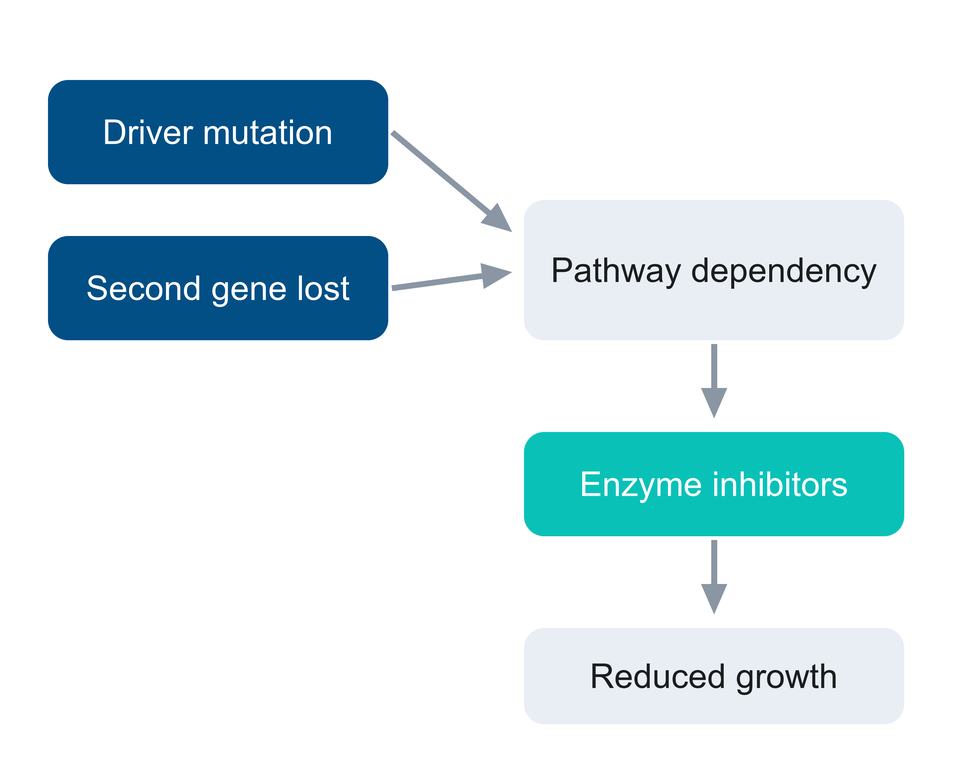
    Schematic of a tumor mutation pair creating a pathway dependency that enzyme inhibitors can target.

    Schematic: a pathway dependency

    The question. In a lung cancer driven by a mutation that is hard to inhibit directly, can a co-occurring mutation reveal another weakness?

    The study. Impactys consulted on the study design and its animal, bioinformatic and cell-based experiments. A gene-editing mouse model of the tumor, with and without loss of a second gene, was profiled for gene expression and metabolites, and enzyme inhibitors in the pathway that emerged were tested.

    What we found. Losing the second gene accelerated tumor growth and made the cells dependent on one amino-acid pathway. Inhibiting enzymes in that pathway reduced growth, suggesting that tumors could be selected for such treatment by their gene combination.

    Why it matters. It turns a co-mutation into a treatment-selection rule.

  • Case Study 6 · How Macrophages in Artery Walls Take on Fat
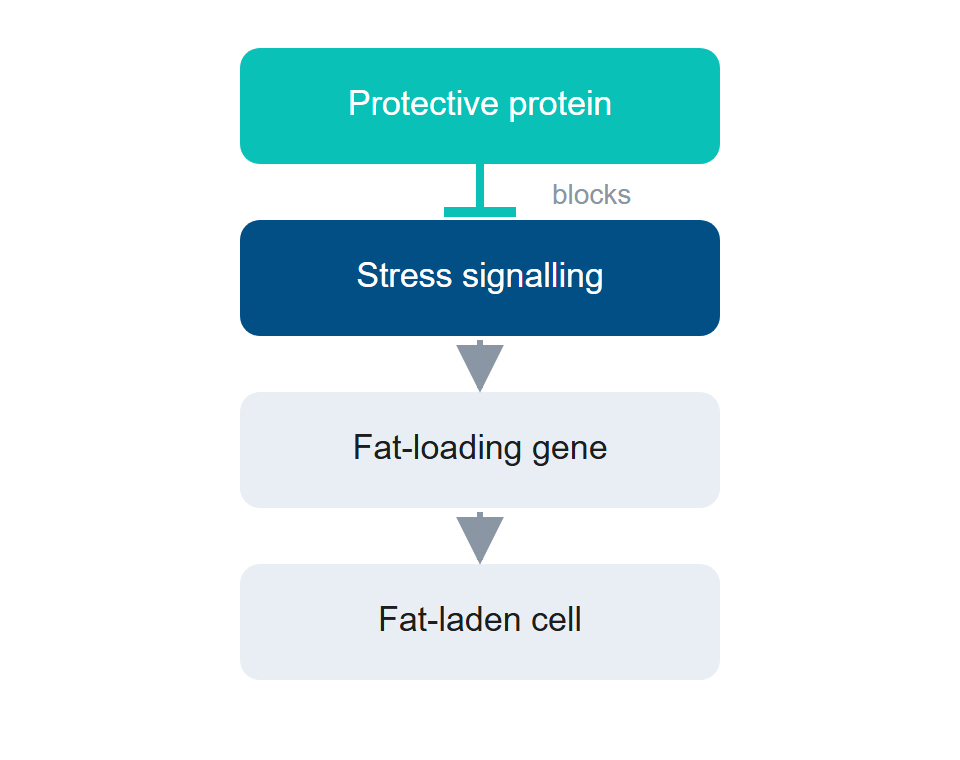
    Schematic chain in which a protective protein blocks a stress-signaling route that switches on a fat-loading gene.

    Schematic: a protective protein blocking a stress-signaling route

    The question. What controls how macrophages in the artery wall take up and store fat?

    The study. Impactys consulted on the study design and its cell-based, bioinformatic and animal experiments. Experiments in cultured macrophages defined how a protective protein limits fat loading and which signaling route it blocks. A patient-cohort network analysis and plaque samples confirmed the relationship, and engineered mice with the downstream gene overexpressed or deleted in macrophages tested the effect in the body.

    What we found. The protective protein limited fat accumulation by blocking a stress-signaling route that switched on a gene promoting fat loading. That gene increased the formation of fat-laden cells; deleting it reduced them. It worked by speeding the breakdown of a protective metabolic enzyme.

    Why it matters. It shows the cell’s own handling of fat as a set of targets, not just a downstream symptom.

  • Case Study 7 · A Regulator of Anti-Tumor T-Cell Function in Lung Cancer
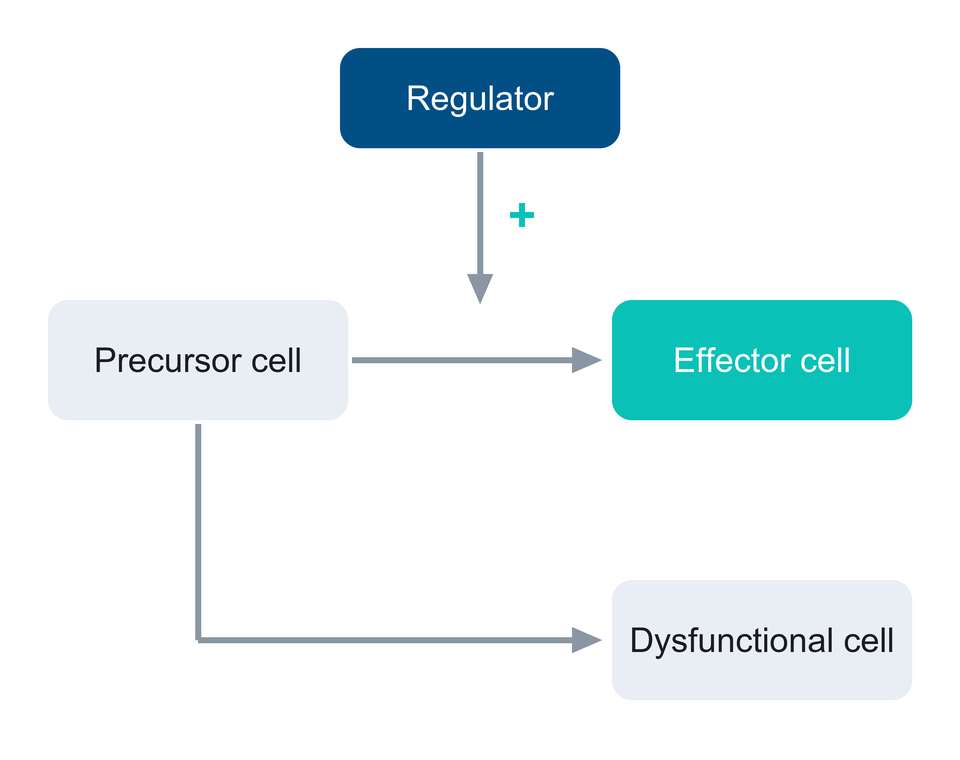
    Schematic of a regulator promoting the change from a precursor T cell to an effector T cell, with a branch to a dysfunctional state.

    Schematic: a regulator promoting a cell transition

    The question. Which regulator helps tumor-infiltrating T cells become effective killers rather than dysfunctional cells, so that immunotherapy can work for more lung cancer patients?

    The study. Impactys consulted on the study design and its bioinformatic, cell-based and animal experiments. A regulator-inference analysis of single-cell gene-expression data from patients with untreated lung cancer pointed to one transcription factor as a driver of the effector-cell path. It was then tested in cultured T cells and in mouse lung-tumor models, alone and alongside a combination of immune-stimulating cytokines.

    What we found. The regulator acted downstream of a known master regulator of T-cell differentiation and promoted effective, tumor-reactive T cells. It contributed to tumor control independently of checkpoint-blocking therapy and accounted for part of the benefit of the cytokine combination, which worked through a parallel signaling route that raised the regulator’s level.

    Why it matters. It identifies a T-cell regulator that immunotherapy approaches could aim to support.

  • Case Study 8 · An RNA-Based Therapy Concept for Newborn Lung Injury
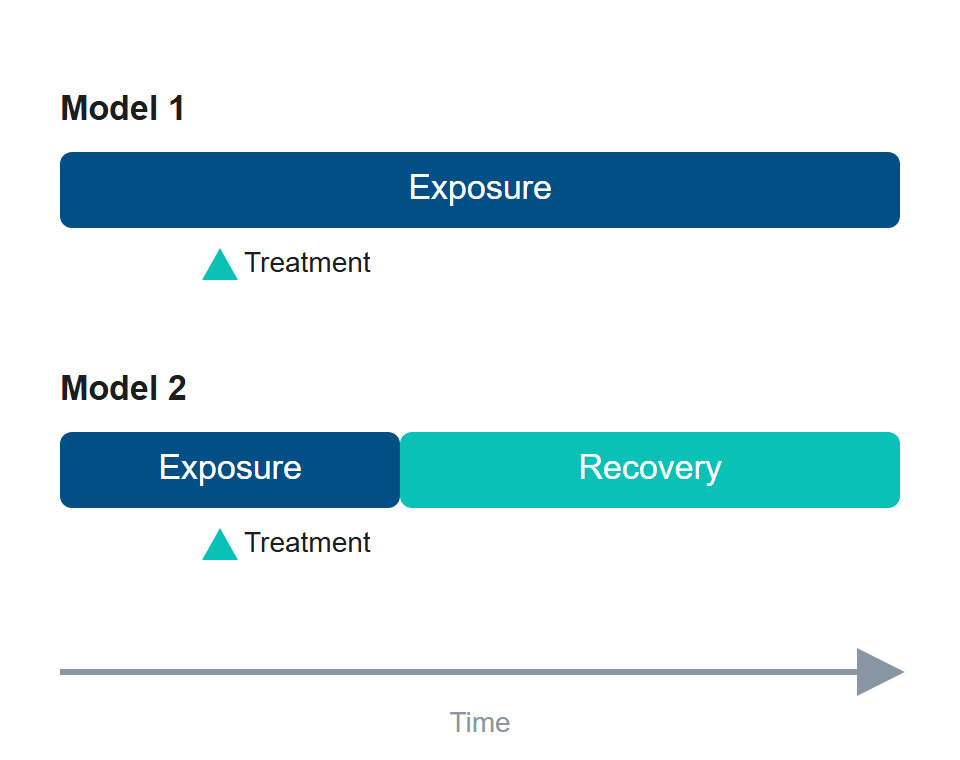
    Schematic timeline of two exposure protocols with a treatment marker.

    Schematic: two exposure protocols

    The question. Can a small regulatory RNA protect developing lungs from oxygen-induced injury?

    The study. Impactys consulted on the study design and its animal, cell-based and clinical-specimen experiments. Two mouse models of high-oxygen lung injury were used to test both genetic overexpression of the RNA and a synthetic mimic of it; the target was identified and its protein tested, and the RNA’s levels were checked in respiratory samples from affected and healthy newborns.

    What we found. Oxygen lowered the RNA’s level. Restoring it, genetically or with the mimic, improved survival, lung development and the associated lung-pressure damage. Adding the target protein made the injury worse. Blocking the RNA in normal air did not recreate the disease, and affected infants had lower levels than healthy ones.

    Why it matters. It supports a mimic-based treatment or prevention strategy and links the laboratory findings to patient samples.

  • Case Study 9 · A microRNA Mimic Therapy Concept
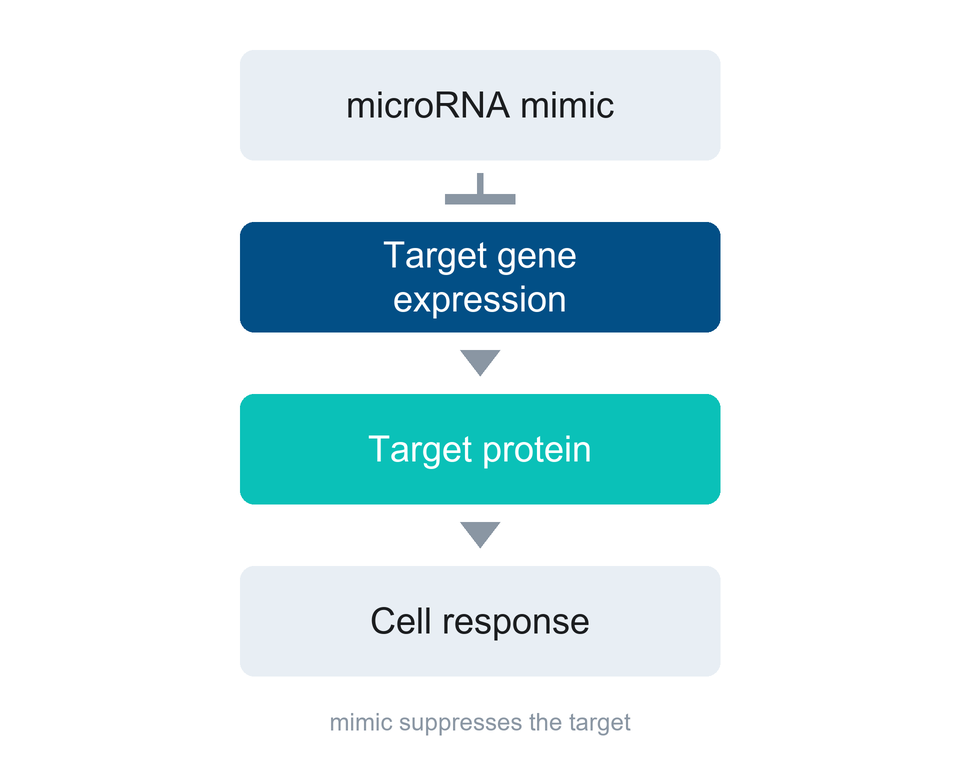
    Schematic of a microRNA mimic suppressing expression of a target gene, which lowers the target protein and the cell response.

    Schematic: a microRNA mimic lowering a target gene’s expression

    The question. Can a microRNA mimic switch down a target gene in a model of thrombin toxicity in the central nervous system, and so show promise for treating intracerebral hemorrhage?

    The study. Impactys consulted on the study design and its molecular and cell-based experiments. The pre-clinical study identified promising microRNA candidates and then investigated the effects of one microRNA mimic upon target gene expression in an in vitro model of central nervous system (CNS) thrombin toxicity.

    What we found. The mimic suppressed target gene expression.

    Why it matters. It suggests that mimic therapy may show promise in treating intracerebral hemorrhage.

  • Case Study 10 · A Metabolomic Study in a Liver Cancer Model
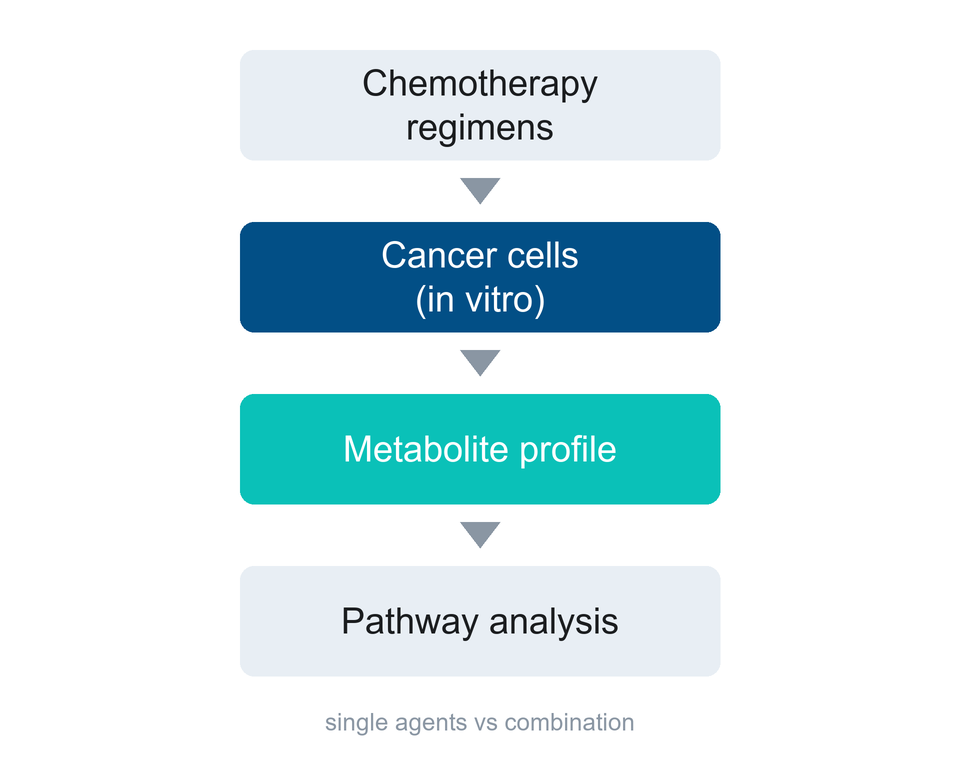
    Schematic of chemotherapy regimens applied to cancer cells in vitro, leading to a metabolite profile and pathway analysis.

    Schematic: from chemotherapy regimens to pathway analysis

    The question. Which metabolites differ in liver cancer cells treated with different chemotherapy regimens, and do those differences fit the synergy already seen with a combination in vivo?

    The study. Impactys consulted on the study design and its metabolomic, cell-based and bioinformatic experiments. The pre-clinical study sought to identify key differential metabolites in an in vitro model of hepatocellular carcinoma (HCC) treated with various chemotherapeutic regimens, and followed with pathway analyses.

    What we found. Pathway analyses revealed that one combination chemotherapy produced differential metabolic effects in HCC cells.

    Why it matters. The metabolic differences support the synergistic effects of the combination chemotherapy that had been observed in vivo.

  • Case Study 11 · A Protein Biomarker and Survival in Colorectal Cancer
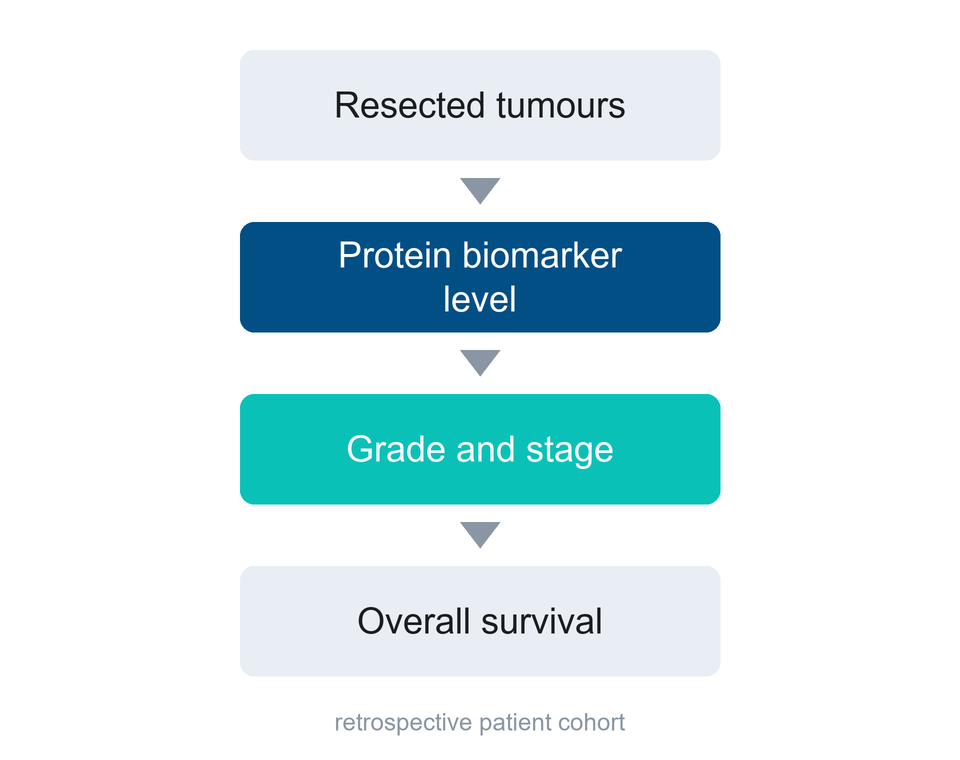
    Schematic from resected tumors to a protein biomarker level, grade and stage, and overall survival.

    Schematic: from tumor biomarker level to survival

    The question. Can the level of a protein in a colorectal tumor show how advanced the cancer is and how long the patient is likely to survive?

    The study. Impactys consulted on the study design and its clinical-specimen and statistical analyses. The retrospective clinical study measured the expression of several candidate protein biomarkers in colorectal tumors previously resected from colorectal carcinoma patients.

    What we found. Statistical analyses revealed that one promising protein biomarker displayed significant correlations with advanced grade, advanced stage, and reduced overall survival in colorectal carcinoma patients.

    Why it matters. It identifies a promising protein biomarker linked to disease severity and survival in colorectal carcinoma.

  • Case Study 12 · Risk Factors in Medical Device Installation
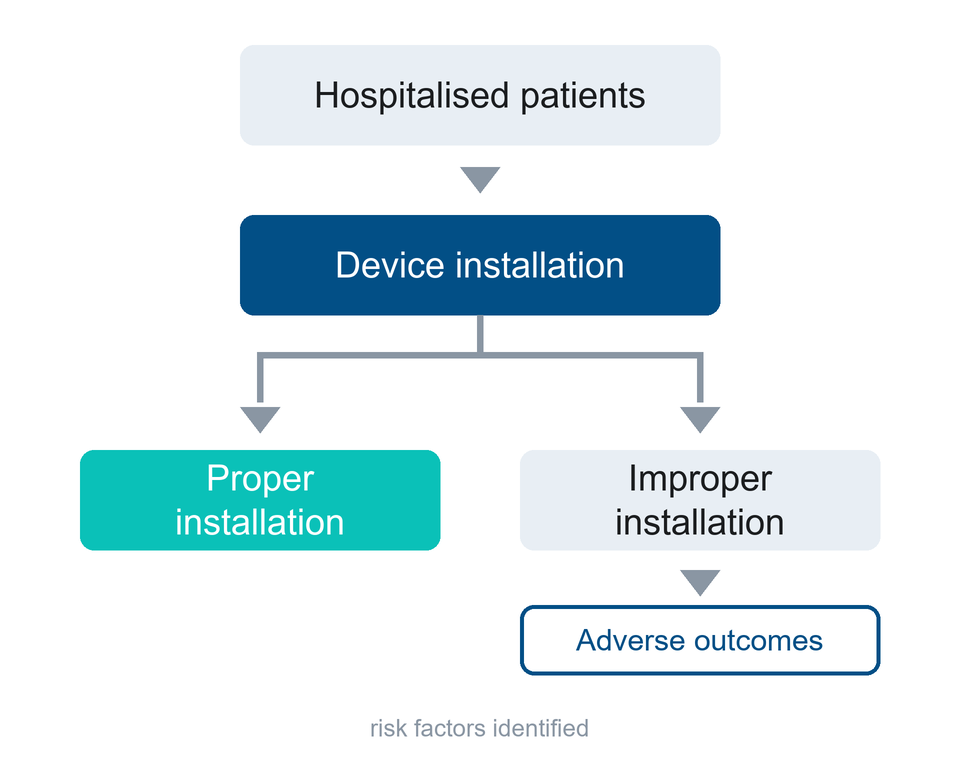
    Schematic of hospitalized patients undergoing device installation, branching to proper installation or to improper installation with adverse outcomes.

    Schematic: device installation, risk factors and outcomes

    The question. Which risk factors and adverse outcomes go with improper installation of a medical device in hospitalized patients?

    The study. Impactys consulted on the study design and its clinical-data and statistical analyses. The prospective clinical study investigated the risk factors and adverse outcomes associated with improper installation of a medical device in hospitalized patients.

    What we found. Statistical analyses identified three risk factors and three adverse outcomes associated with improper installation of said medical device.

    Why it matters. The data can be used to develop proactive interventions for hospital staff.

Ready to Design Your Study?

Tell us about your research question and we will propose an approach.

Request a consultation